What is a Search Intent Mismatch?

What is a search intent mismatch?
A search intent mismatch happens when your page doesn’t rank for a specific query or keyword because it does not match the query’s intent. In other words, searchers intend to find something specific when they search, and your page does not fulfill that intent.
But how is intent determined?
Search engines use data to understand what results should be shown to people when searching for specific terms. Their goal is to help people find what they’re looking for at the exact time they’re looking for it.
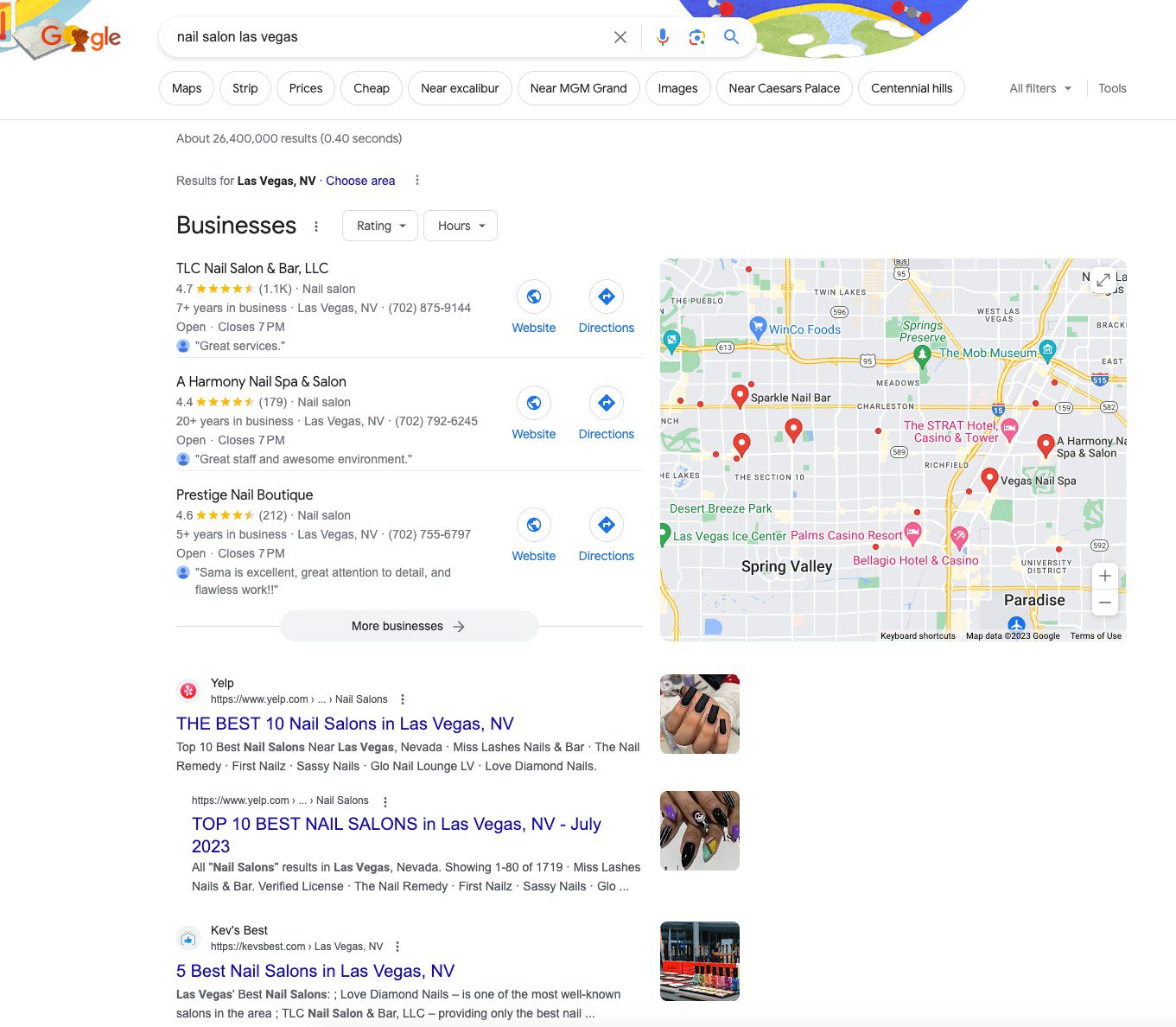
For example, searching for a “nail salon” implies you want to find a place to get your nails done. You might get annoyed if, say, instead of nail salons near you, Google showed you a bunch of blogs about what nail salons are. You already know what nail salons are; you don’t need to read a blog about it.
Why is search intent important?
Any time you create a page on your website intending to rank for a specific keyword or set of keywords, you have to validate that the pages you create fulfill the search term’s intent. If you don’t consider search intent, you may invest in pages that don’t meet your goals.
How can you do this?
First, gather the keywords you hope to rank for based on your overall goals and strategy. These keywords should align with your business, audience, and capabilities.
Next, look through your keyword list and check the search results. Semrush has a handy capability that groups keywords by these intents, which is a great place to start.
For example, there are informational, commercial, navigational, and transactional intents. Each of these intents has a specific purpose search engines are trying to fulfill.
Here’s what each of those search intent categories means:
- Informational – Tagged on keywords with informational intent, where users want to learn more about something.
- Commercial – Tagged on keywords with commercial intent, where users want to do more research before making a decision.
- Navigational – Tagged on keywords with navigational intent, where users want to find a specific page.
- Transactional – Tagged on keywords with informational intent, where users want to complete a specific action.
The Semrush intent categories provide a great starting point, but you should take this further and look at your desired keywords’ search results in real-time.
To rank for your keyword list, you’ll need to create pages that help people find what they want.
- If people want to read more about how a specific real estate transaction works, you’ll want to write a blog about it.
- If people are looking for real estate offices near them, you’ll want to optimize your location pages and ensure your Google Business Profile is up-to-date.
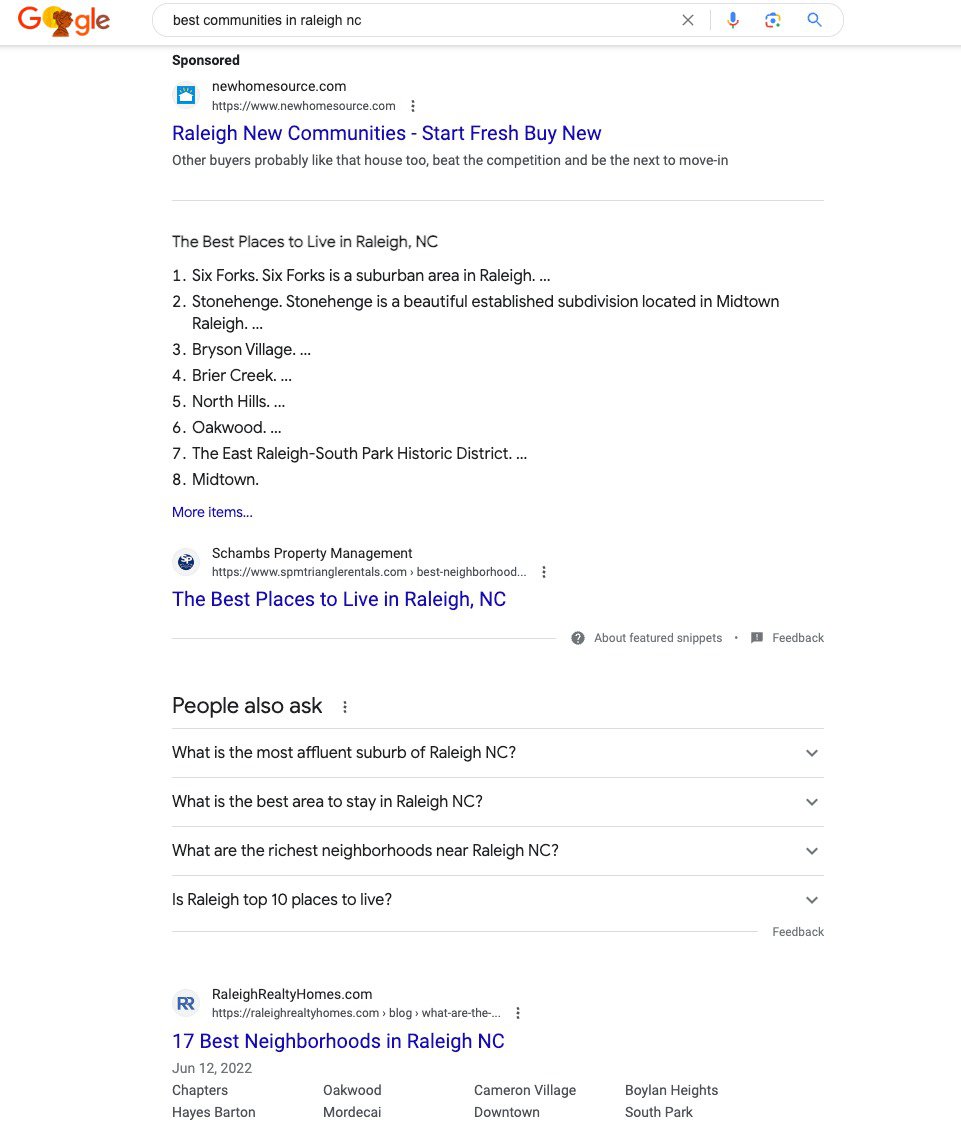
- Suppose people have questions about the best communities to live in a specific area. In that case, you’ll want to create a listicle of the highest recommended areas (with links to your listings pages, perhaps?).
Overall, you must understand what people are looking for so you can provide that solution to them.
Realigning your Keyword List for Better Search Intent
Before you get excited about a list of keywords and create pages that fulfill what you think is important, you have to stop and consider what users think is important. Without that, you won’t find the success you’re looking for.
If you can’t fulfill search intent, you’ll have to re-evaluate your set of keywords or prepare to solve for the results shown.
For more help on keywords, keyword lists, search intent, and SEO strategy, work with me, follow me on LinkedIn, or send a message to my inbox.

Crystal Ortiz is an Organic Growth and SEO Consultant. Increase your online visibility and create long-term growth through SEO. Keyword Research, Site Migrations, SEO Audits, Content Strategy, and More.
Contact
Crystal Ortiz is the owner of SOCIALHART LLC. Consulting services provided by Crystal Ortiz are managed through SOCIALHART LLC.